
BLOGS
Discover New Opportunities to Strengthen SEND Provision in Your School - Headteachers Briefing Document
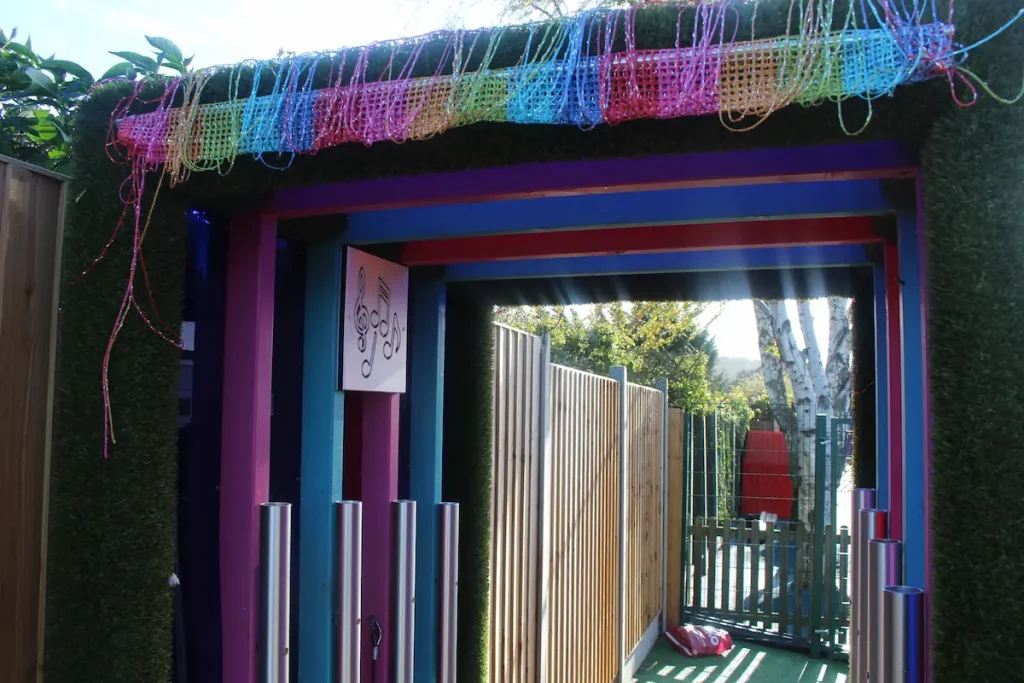
Significant new national investment is being directed into SEND provision, creating opportunities for schools to expand specialist support, improve accessibility, and develop inclusive learning environments.
With £640 million available in 2026–2027, schools may benefit from funding to establish resource bases, SEN units, or adapt existing spaces to better support pupils with additional needs.
High Needs Capital Funding (SEND) 2026–2027

The Department for Education (DfE) has announced a significant national investment to expand Special Educational Needs and Disabilities (SEND) provision across England.
The funding aims to increase specialist places, improve accessibility, and support more inclusive provision within mainstream schools.
National Funding Commitment
£3 billion investment (2026/27–2029/30)
The government has committed at least £3 billion in high needs capital funding over four years to expand SEND provision nationally.
£640 million in 2026–2027
For the 2026–2027 financial year, £640 million will be invested to create new specialist SEND places within mainstream schools.
What the Funding Supports
Funding is intended to support the development of local specialist provision and improved accessibility within schools.
Specialist SEND Provision
Schools may benefit from funding to develop:
- Resource provisions
- SEN units
- Specialist teaching spaces within mainstream settings
Building Adaptations
Capital investment may support:
- Accessibility improvements
- Adaptation of existing classrooms or facilities
- Creation of sensory rooms or therapeutic spaces
Additional Special School Places
Funding will also contribute to the creation of new places in special schools for pupils with the most complex needs.
Wider SEND Funding Context
Basic Need Capital Funding
This funding is in addition to nearly £1.5 billion previously announced to create new school places between 2024 and September 2026.
High Needs Revenue Funding
High needs funding for local authorities will remain at high levels in 2026–27.
The National Funding Formula (NFF) for high needs will be temporarily suspended while the government undertakes a review of the SEND system, with reforms expected in early 2026.
Distribution of Funding

Funding is allocated directly to Local Authorities, who oversee:
- SEND capital planning
- Approval of projects
- Allocation of funding to schools
Some authorities may also offer local SEND capital grant schemes or small grant funds for smaller-scale projects.
Key Timeline
Early 2026
Local Authority grant programmes may open for applications.
2026-2027
Delivery of SEND capital projects.
January 2027
Target completion date for some smaller funded projects.
Actions for Headteachers
School leaders may wish to:
- Review current SEND provision and capacity
- Identify potential capital improvements or specialist provision needs
- Engage with the Local Authority SEND team
- Monitor local SEND capital grant opportunities
Schools should refer to updates from the Department for Education (DfE) and their Local Authority SEND team for local funding opportunities and application processes.
What This Means for Schools
- Opportunities to expand SEND provision within mainstream schools, including resource bases or specialist units.
- Potential capital funding for building adaptations to support pupils with SEND.
- Greater emphasis on inclusive mainstream provision, with more specialist support delivered locally
- Schools may be invited by their Local Authority to participate in new SEND provision projects
- Some Local Authorities may offer small capital grants for accessibility improvements or specialist spaces
- Headteachers should begin identifying future SEND capacity needs and potential capital projects.